Trauma & PTSD Therapy Resources for Clients
Resources for clients with PTSD and complex trauma across screening, stabilization, and trauma processing. Choose materials based on each client's stage of treatment.
Start here
Three clinician-vetted starting points to use with clients across assessment, treatment, and reference.
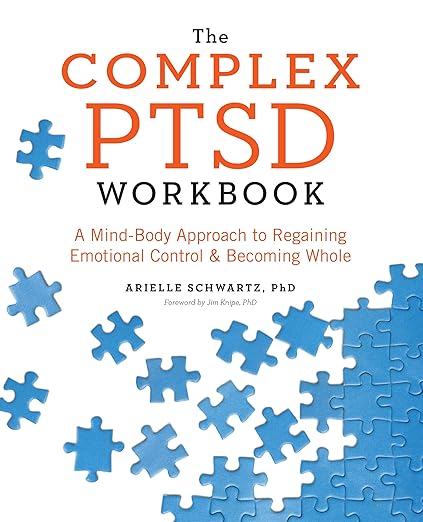
The Complex PTSD Workbook: A Mind-Body Approach to Regaining Emotional Control and Becoming Whole (Healing Complex PTSD)
Primary focus: Chronic trauma and emotion dysregulation with mind–body skill practice
View detailsThe Body Keeps the Score: Brain, Mind, and Body in the Healing of Trauma
Primary focus: Foundational trauma neurobiology and body-based healing frameworks
View detailsOvercoming Pain Based on EMDR
Primary focus: Coping with pain–trauma linkage as part of EMDR or somatic work
View details


Find resources by clinical use
Resources to use with clients across assessments, books, workbooks, articles, apps, videos, and podcasts. Explore Trauma by format or clinical need below.
Assessments
PTSD and trauma symptom measures for intake, triage, and monitoring change over time, not as a stand-in for diagnosis or safety review.
What you'll find: Brief PTSD and trauma screeners for symptom severity and follow-up.
Search trauma assessmentsApps, videos, and psychoeducation
Grounding apps, stabilization tools, and short trauma education for use outside session.
What you'll find: PTSD apps, grounding tools, and trauma psychoeducation videos.
Search trauma apps and videosProcessing workbooks
Grounding exercises, stabilization tools, and structured processing homework when clinically appropriate.
What you'll find: Trauma workbooks with grounding, stabilization, and processing exercises.
Search trauma workbooksRecovery books
Trauma theory, complex PTSD framing, and flagship recovery reads for clinician orientation or selective sharing.
What you'll find: Trauma and PTSD books on complex trauma, recovery, and psychoeducation.
Search trauma books
Case search
Search the curated catalog
Need to narrow by format, treatment stage, population, or clinical need?