Emotion Regulation Therapy Resources for Clients
Resources for clients building emotional awareness, regulation, literacy, and interpersonal skills in clinical work.
Start here
Three clinician-vetted starting points to use with clients across assessment, treatment, and reference.
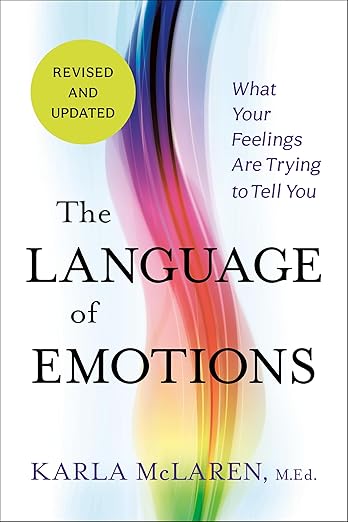
The Language of Emotions: What Your Feelings Are Trying to Tell You: Revised and Updated
Primary focus: Core emotional literacy and processing framework for regulation work
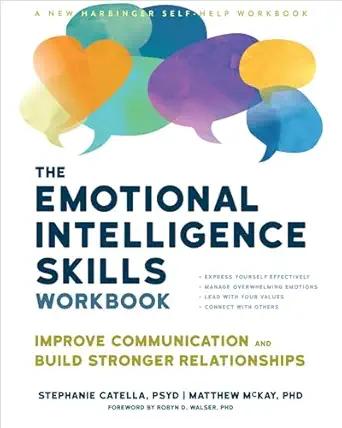
View detailsThe Emotional Intelligence Skills Workbook: Improve Communication and Build Stronger Relationships
Primary focus: Applied communication and regulation skills with structured practice
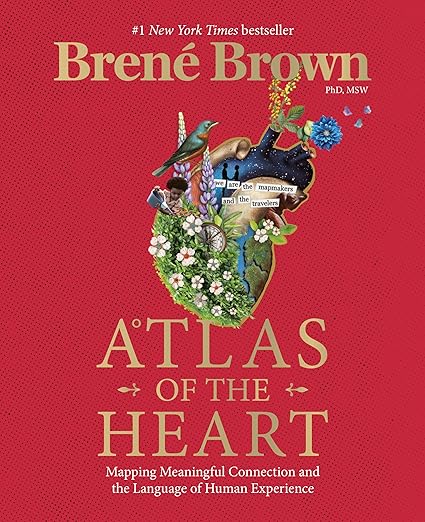
View detailsAtlas of the Heart: Mapping Meaningful Connection and the Language of Human Experience
Primary focus: Emotional vocabulary, naming feelings, and mapping connection language
View details
Find resources by clinical use
Resources to use with clients across assessments, books, workbooks, articles, apps, videos, and podcasts. Explore Emotion regulation by format or clinical need below.
Assessments
Brief measures tied to emotion regulation, emotional functioning, and distress for screening or tracking regulation-focused work, not as a stand-in for diagnosis or safety review.
What you'll find: Regulation and distress measures that support assessment and treatment planning.
Search emotion regulation assessmentsLiteracy books
Books on emotional awareness, feelings vocabulary, interpersonal effectiveness, and regulation.
What you'll find: Accessible frameworks for understanding emotions, building emotional skills, and navigating relationships.
Search emotion regulation booksRegulation workbooks
Structured exercises for managing difficult emotions and building regulation skills.
What you'll find: Practical skills for identifying emotions, reducing emotional intensity, and responding more effectively.
Search emotion regulation workbooksApps, videos, and psychoeducation
Digital tools, visual explainers, and practical resources for emotional awareness and regulation.
What you'll find: Emotion-tracking tools, brief videos, psychoeducation, and other accessible supports for building emotional skills.
Search emotion regulation apps and videos
Case search
Search the curated catalog
Need to narrow by format, treatment stage, population, or clinical need?