Eating Disorder Therapy Resources for Clients
Screening tools, recovery-oriented workbooks, and psychoeducation for clients with anorexia, bulimia, binge eating, and disordered eating patterns.
Start here
Three clinician-vetted starting points to use with clients across assessment, treatment, and reference.
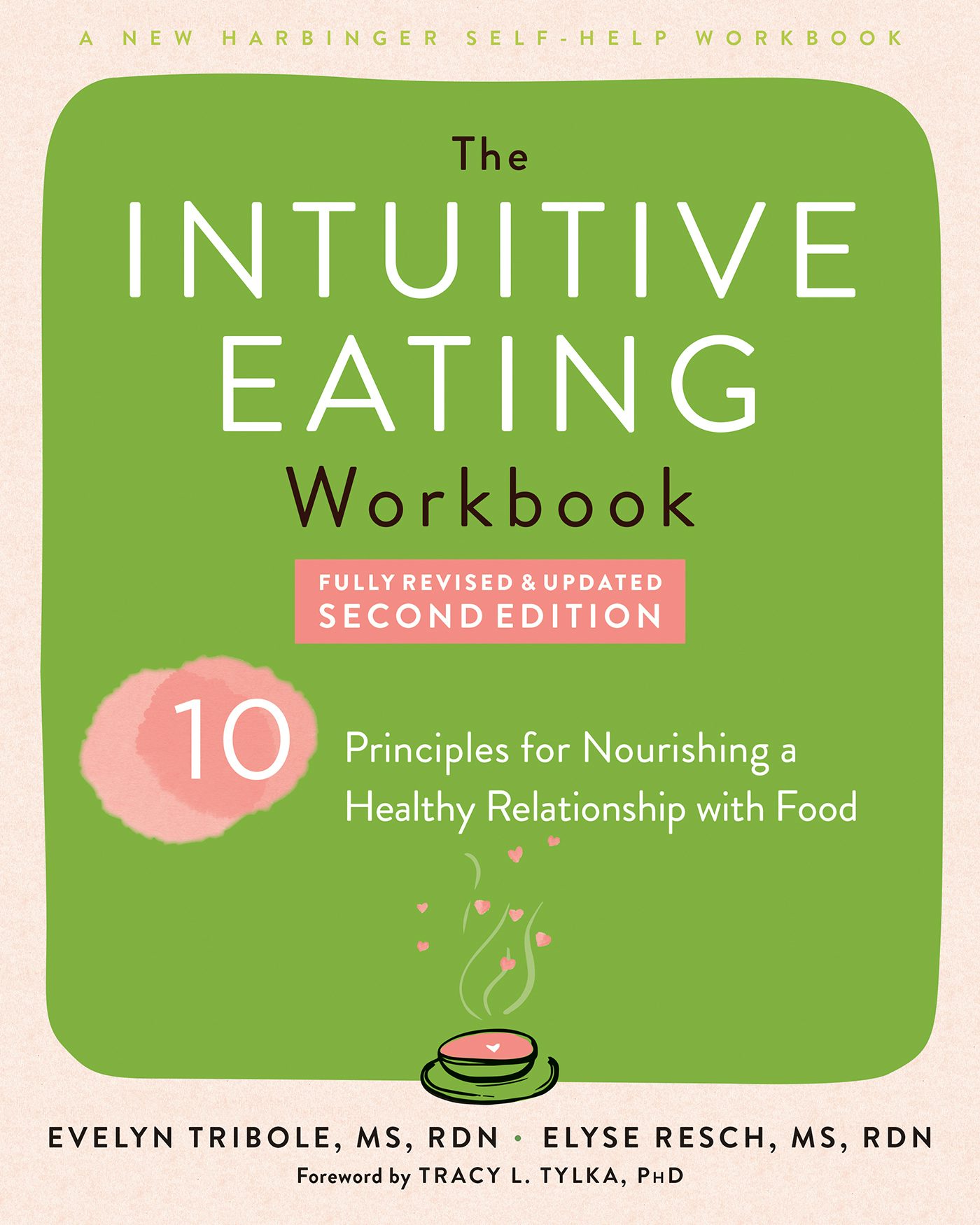
The Intuitive Eating Workbook: Ten Principles for Nourishing a Healthy Relationship with Food
Primary focus: Ten Intuitive Eating principles for hunger and fullness attunement and making peace with food
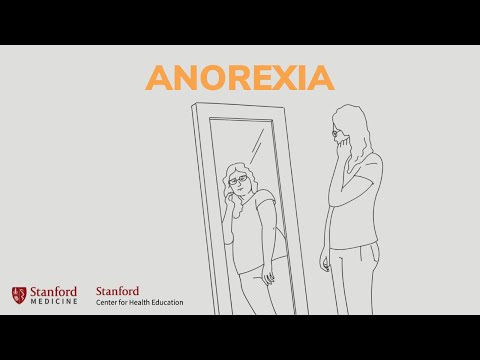
View detailsAnorexia: 3 Perspectives on the Same Eating Disorder
Primary focus: Three patient-inspired vignettes on anorexia, medical complications, and social media
View detailsBulimia Nervosa: Signs, Symptoms, and Treatment
Primary focus: Early recognition of bulimia and when to seek treatment
View details

Find resources by clinical use
Resources to use with clients across assessments, books, workbooks, articles, apps, videos, and podcasts. Explore Eating disorders by format or clinical need below.
Assessments
Eating disorder screeners and severity measures for intake, triage, and referral decisions, not as a stand-in for diagnosis or safety review.
What you'll find: Brief eating disorder screeners for attitudes, behaviors, and severity.
Search eating disorder assessmentsRecovery books
Recovery memoirs, bulimia and orthorexia guides, and eating-disorder psychoeducation for orientation.
What you'll find: Books on recovery, bulimia, orthorexia, and disordered eating patterns.
Search eating disorder booksRecovery workbooks
Binge eating prevention, intuitive eating skills, and structured recovery homework.
What you'll find: Workbooks for binge eating, intuitive eating, and structured recovery practice.
Search eating disorder workbooksApps, videos, and psychoeducation
Nutrition support apps, eating-disorder explainers, and recovery-oriented videos.
What you'll find: Nutrition apps, ED explainers, and recovery-oriented videos.
Search eating disorder apps and videos
Case search
Search the curated catalog
Need to narrow by format, treatment stage, population, or clinical need?